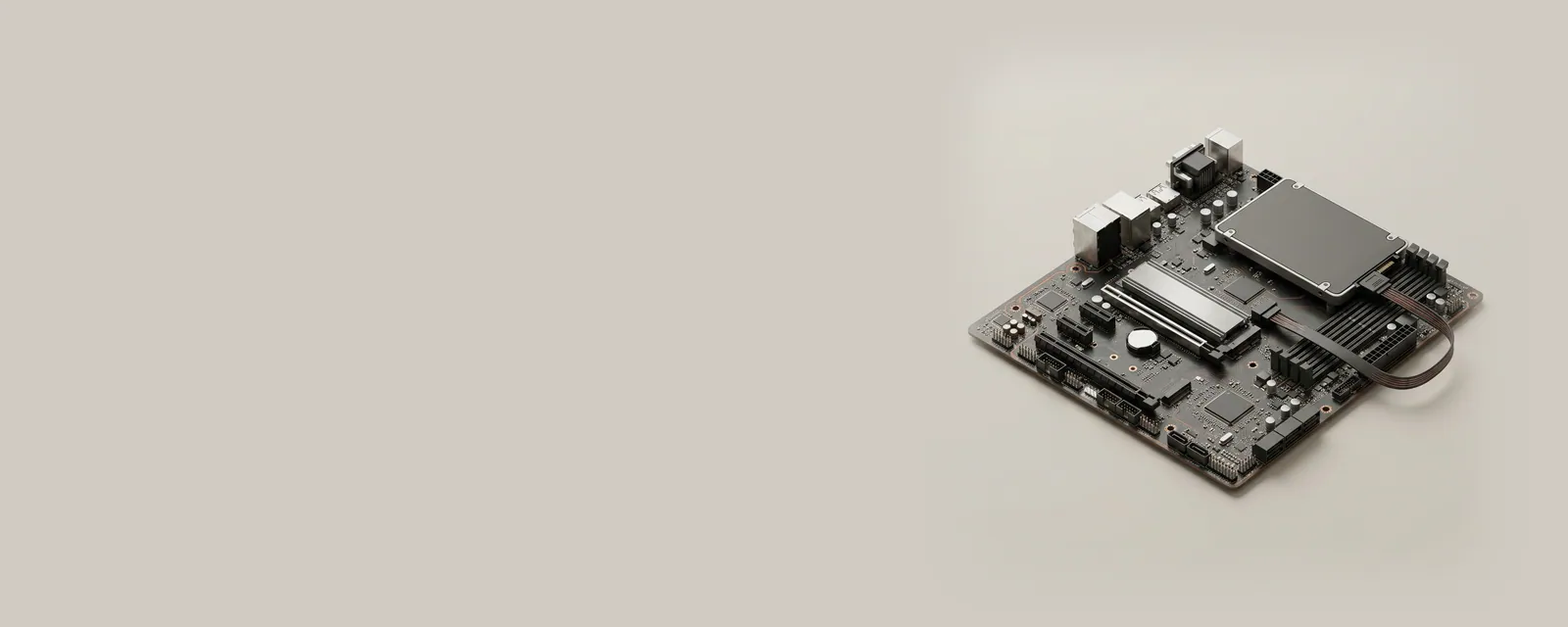
Storage interfaces define how a host expresses commands and receives results. The protocol, controller, physical packaging, and persistent medium are related but separate properties of a storage device.
The bigger picture
A controller translates requests into operations the medium can perform and reports completion through a supported host interface. Modern paths can manage several outstanding operations rather than handling every request as one synchronous action. The operating system's software stack coordinates queues, buffers, and errors around that interface. Transport capabilities and the behavior of the storage medium should therefore be compared separately.
A device can also sit behind a bridge that changes the host-facing connection. The enclosure's transport then becomes another part of the capability and performance story. Read the following references as descriptions of interfaces, not as instructions to change a boot controller's mode. Such changes can affect whether an existing operating-system installation starts and belong in exact model-specific documentation.
Storage
Note these before you change anything
Useful facts to have to hand while reading about storage interfaces and controllers.
- A current backup before any change
- Controller mode in firmware: AHCI, RAID or NVMe
- Storage controller driver name and version
- Drive health shown by the maker's own diagnostics
Storage: Reading and writing data
- File systemfiles and folders
- Storage stackvolumes and partitions
- Controller driverNVMe, AHCI or RAID
- Controlleron the board or a card
- DriveSSD or HDD
Pages in Storage interfaces and controllers
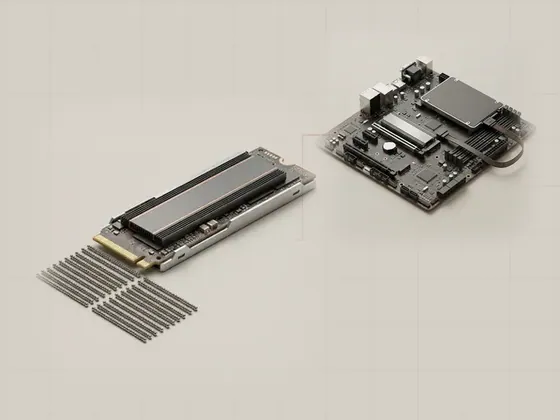
NVMe and command queues
NVMe is a host interface and command set designed for nonvolatile memory devices. It defines how work is submitted and completed; it is not simply a synonym…
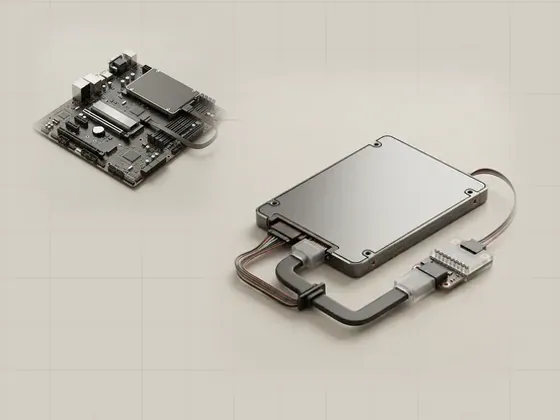
SATA and the AHCI interface
SATA describes a storage connection and protocol family, while AHCI defines a common programming interface for compatible host controllers. The two names…
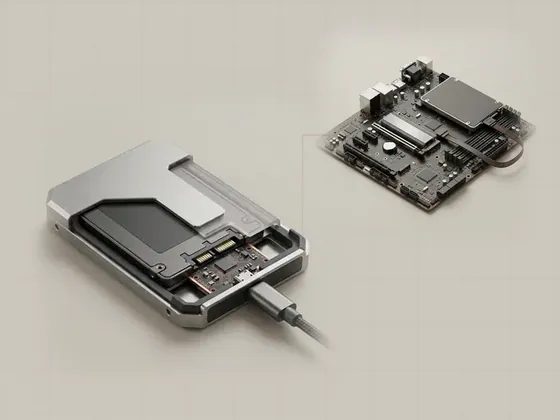
Storage bridges inside enclosures
An external enclosure can contain a bridge that translates between the computer-facing transport and the storage device inside. The bridge is an active part…
Storage queue depth and workloads
Queue depth describes how many storage operations can be outstanding within a particular part of a path. It is a workload and scheduling concept, not a…