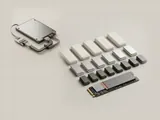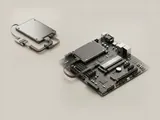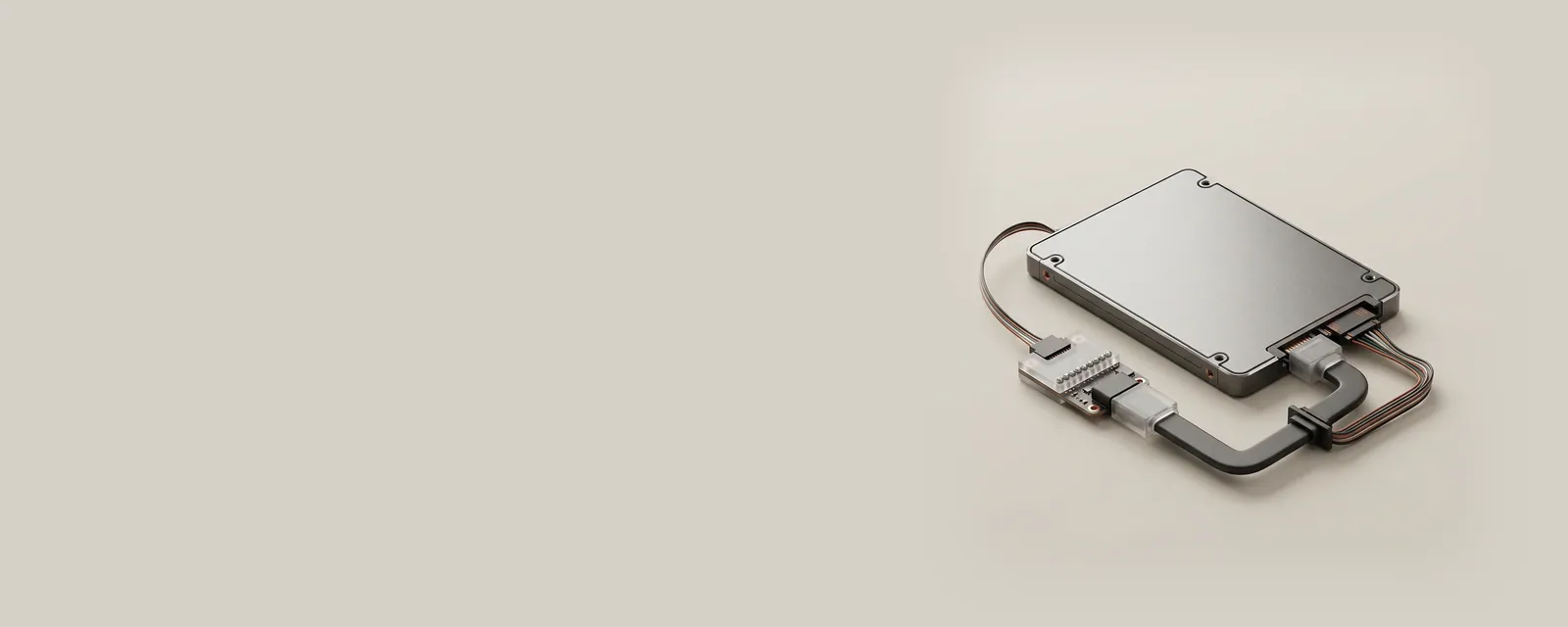
SATA describes a storage connection and protocol family, while AHCI defines a common programming interface for compatible host controllers. The two names refer to related boundaries rather than the same physical object.
How the pieces connect
The host controller presents registers and command structures that software uses to communicate with attached storage. The device handles commands over the SATA link and manages its medium. Platform firmware can expose controllers in different supported modes, each with implications for the operating-system path expected during startup.
An everyday example
A solid-state drive and a rotating disk can use the same broad host interface while having very different internal behavior. Conversely, a device inside a USB enclosure may use SATA internally but appear to the computer through the enclosure's USB bridge. The visible connection describes the boundary the host actually communicates with.
Reading the information in context
Do not change a firmware storage-mode setting merely because a reference describes another interface. An existing installation may rely on its current controller path to start. Performance and feature compatibility must be evaluated with the exact system configuration. This page explains terminology and deliberately avoids mode-switching instructions, destructive commands, or assumptions about what an individual machine should use.
Storage
Note these before you change anything
Useful facts to have to hand while reading about sata and the ahci interface.
- A current backup before any change
- Controller mode in firmware: AHCI, RAID or NVMe
- Storage controller driver name and version
- Drive health shown by the maker's own diagnostics
Storage: Reading and writing data
- File systemfiles and folders
- Storage stackvolumes and partitions
- Controller driverNVMe, AHCI or RAID
- Controlleron the board or a card
- DriveSSD or HDD