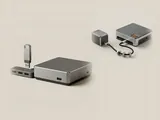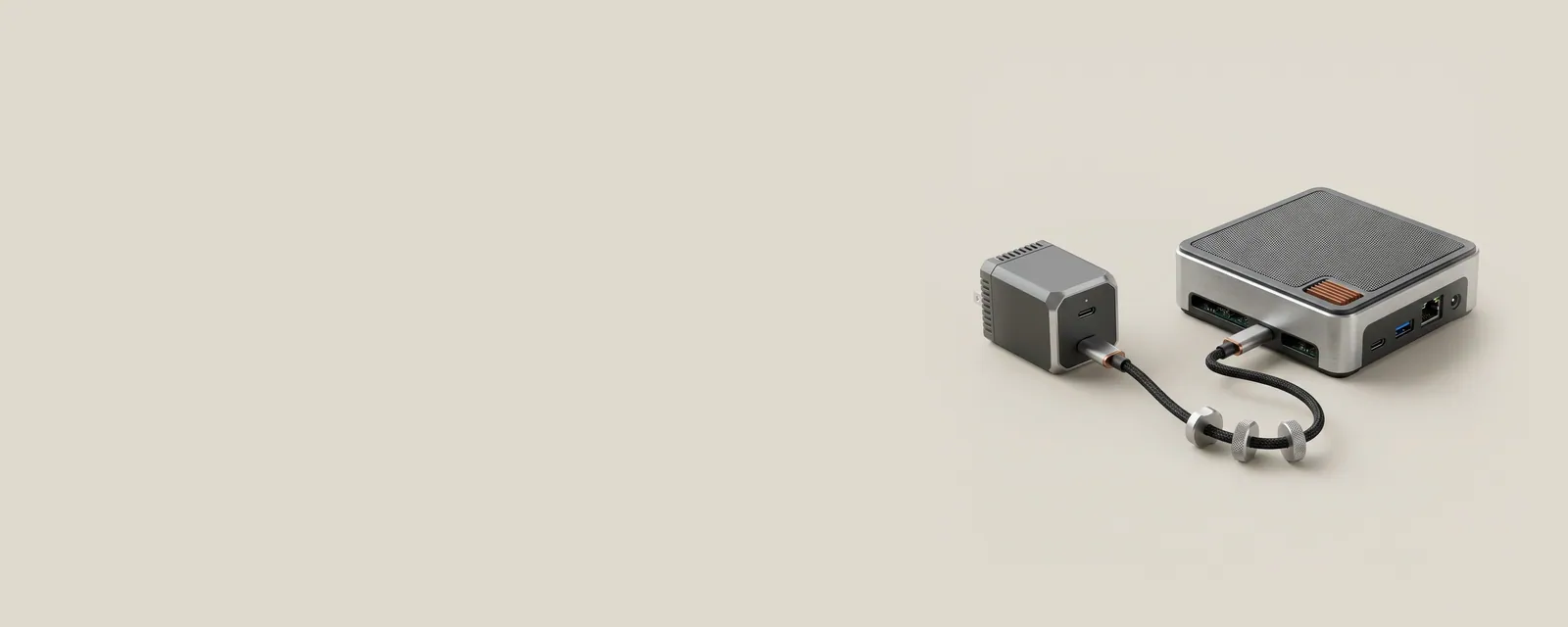
USB power negotiation lets supported equipment agree on an electrical supply arrangement within their documented capabilities. It is separate from the application's use of data and does not mean every matching connector can provide every advertised power level.
How the pieces connect
A source reports available arrangements, and a receiving device requests one it can use. The cable and intervening equipment must also handle the selected path. Actual charging behavior can be influenced by temperature, battery-management policy, and the device's current demand. An advertised supply maximum is a capability, not a requirement that the device continuously consume that amount.
An everyday example
A portable computer connected through a dock may receive less power than the adapter's headline rating because the dock uses some power itself or exposes a different negotiated budget. A nearly charged battery can also draw less than a low battery under otherwise similar conditions. These are distinct reasons for a difference between nominal and observed values.
Reading the information in context
Electrical safety and compatible combinations are model-specific. Do not infer capability from connector appearance or attempt to force non-compatible negotiation. Use the manufacturer documentation for the source, cable, dock, and receiving device. This explanatory page does not provide electrical modification instructions or claim that a software package can raise the physical limits of a charging path.
USB & Peripherals
Note these before you change anything
Useful facts to have to hand while reading about usb power negotiation.
- Which port the device was in, and whether a hub is involved
- The device's name and status in Device Manager
- Power management settings on USB root hubs
- Any companion software the device relies on
USB & Peripherals: Input from a device (output devices run the other way)
- Devicekeyboard, mouse or pad
- Port or hubphysical connection
- Host controllermanages the bus
- Class driverfor example HID
- Applicationreceives the input