The print path converts application content into work a printer can carry out. Rendering, queue management, capability negotiation, and transmission are separate stages that may run on different machines.
The bigger picture
An application describes a document and its desired settings. The printing system creates an appropriate representation, schedules the job, and sends it through a transport supported by the destination. A local USB connection and a network connection differ in how they deliver that work, but both still depend on compatible document and setting descriptions.
A queue is the software destination you select, while the printer is the physical endpoint that ultimately marks paper. More than one queue can refer to the same device with different defaults. A shared queue can also place part of the processing on another computer. The four explanations below distinguish these concepts without assuming that a visible queue status proves what is happening mechanically.
Printers & Scanners
Note these before you change anything
Useful facts to have to hand while reading about from a document to a printed page.
- Printer queue name and the port it uses
- Driver name: a built-in class driver or the maker's
- Whether the printer is reached by USB, IP address or name
- Default paper size and tray
Printers & Scanners: One common printing path (scanning runs the other way)
- Applicationsends a print job
- Print systemqueues and renders
- Printer driverbuilt-in class or vendor
- ConnectionUSB or network
- Printerproduces the page
Pages in From a document to a printed page
What the print spooler does
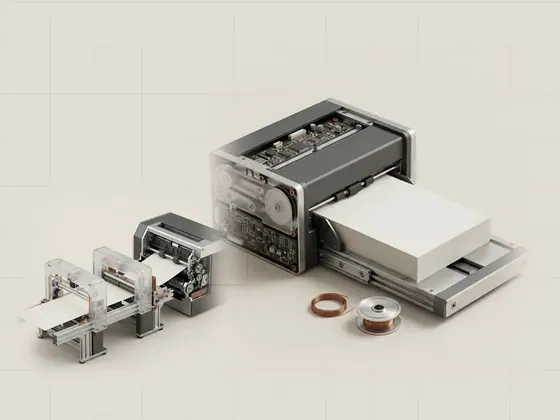
The print spooler manages queued print work so applications do not have to remain directly connected to a printer for the entire job. It coordinates stored…
Page-description languages
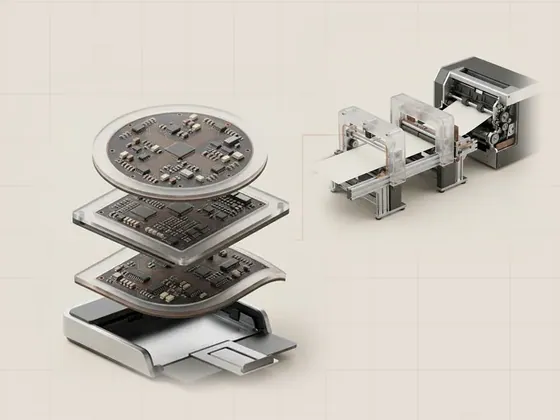
A page-description language represents text, shapes, images, and layout in a form a printing system can interpret. It sits between the application's…
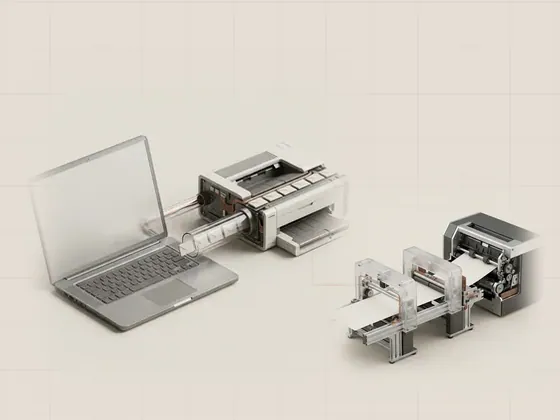
Internet Printing Protocol
Internet Printing Protocol, usually shortened to IPP, defines a structured way to communicate print jobs and capabilities over a network. It can describe…
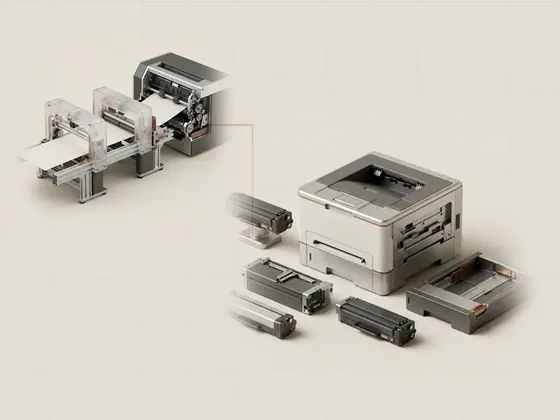
Printer capabilities and defaults
Printer capabilities describe what a destination can do, while defaults describe which choices a queue initially selects. Confusing these two layers can…