
The path from an application to a network passes through several interfaces. Hardware transmission, packet handling, address configuration, and higher-level protocols each contribute different responsibilities.
The bigger picture
An application normally uses operating-system networking facilities rather than controlling the adapter directly. The stack organizes data into protocol units and routes them toward an appropriate interface. The adapter-specific path then arranges transfers over the local medium. Similar application behavior can therefore use quite different underlying equipment.
A physical interface is not the only kind of interface a system can expose. Virtual networking, tunnels, and other software arrangements can add entries without adding a socket or radio. Use the concepts below to interpret the role of an entry instead of assuming every adapter name identifies a separate physical card. Observations at one layer need context before they can explain the behavior of the entire path.
Network & Wi-Fi
Note these before you change anything
Useful facts to have to hand while reading about network adapters and protocol layers.
- Adapter name and driver version
- Whether other devices on the same network work
- IP configuration shown in the system's network details
- Power-saving settings on the adapter
Network & Wi-Fi: Sending data (simplified; replies return the same way)
- Applicationopens a connection
- Network stackTCP/IP and name lookup
- Adapter driverWi-Fi or Ethernet
- Network adapterradio or port
- Routerand the wider network
Pages in Network adapters and protocol layers
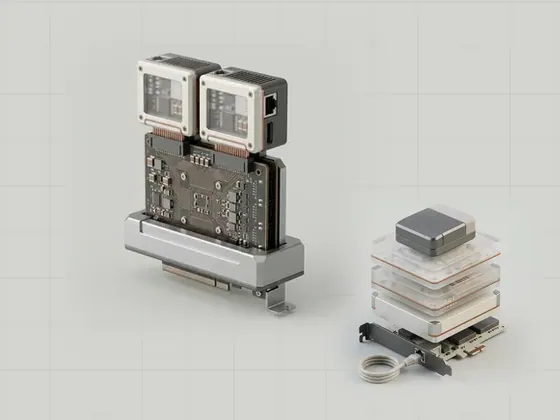
Network interface layers in Windows
Windows networking uses defined interfaces between protocol components and the software that manages adapters. NDIS is an important part of this…
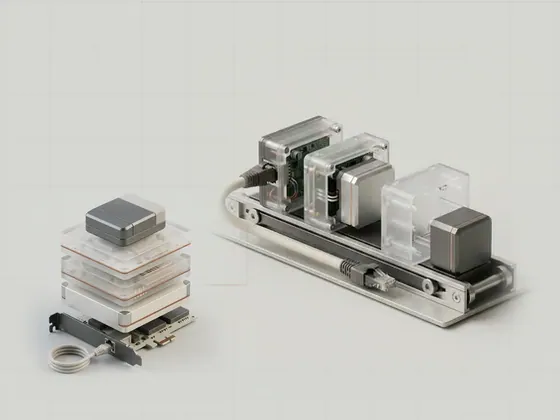
Packets, frames and the local link
Network data is organized into units that different layers understand. An IP packet and a link-layer frame are related containers, but they describe…
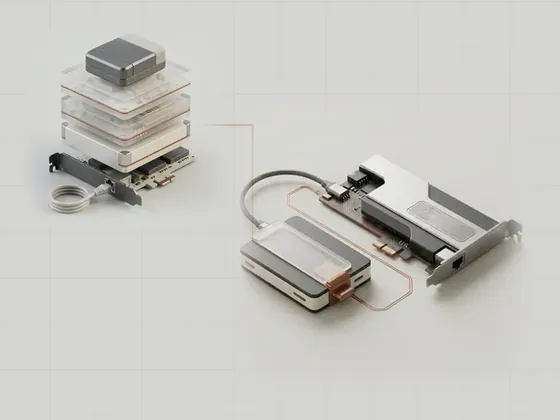
Hardware addresses and IP addresses
A hardware address identifies an interface within a link-layer context, while an IP address supports communication at the network layer. The two serve…
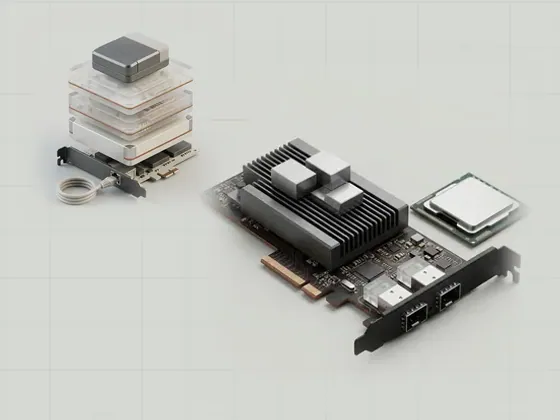
Network offloads and shared work
A network offload moves a supported task from general operating-system processing into adapter hardware or another specialized path. The purpose is to…