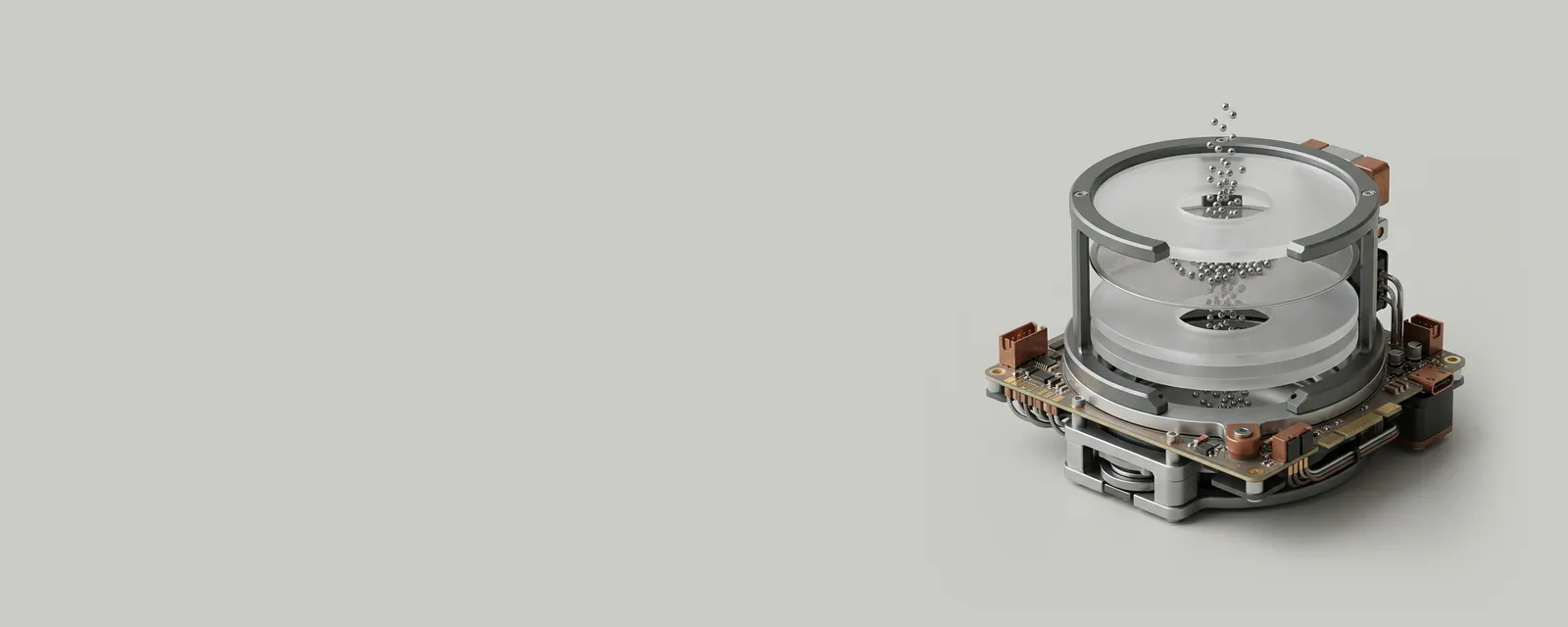
A filter driver sits in a device's driver stack above or below the main function driver and inspects or modifies requests as they pass, adding behaviour without replacing the core driver.
In practice
Storage encryption tools often use a filter below the file system to encrypt data as it is written. Some keyboard utilities use a filter to remap special keys. Audio enhancement software may insert a filter that applies effects to sound before it reaches the speakers.
Common confusion
A filter is not a separate device and usually has no entry of its own in Device Manager. It also differs from a minidriver, which completes a class driver rather than intercepting it. The same filter may attach to many devices of one class.
Why it matters to readers
Filters explain why installing seemingly unrelated software can change how a device behaves: it may have joined the stack. The Driver Details window can reveal extra files from unexpected providers.
A closer look
Filters are described as upper or lower depending on their position relative to the function driver. An upper filter sees requests in their general form before the function driver interprets them; a lower filter sees them after interpretation, closer to the hardware. Which position a product uses depends on whether it needs to work with meaning or with raw device traffic.